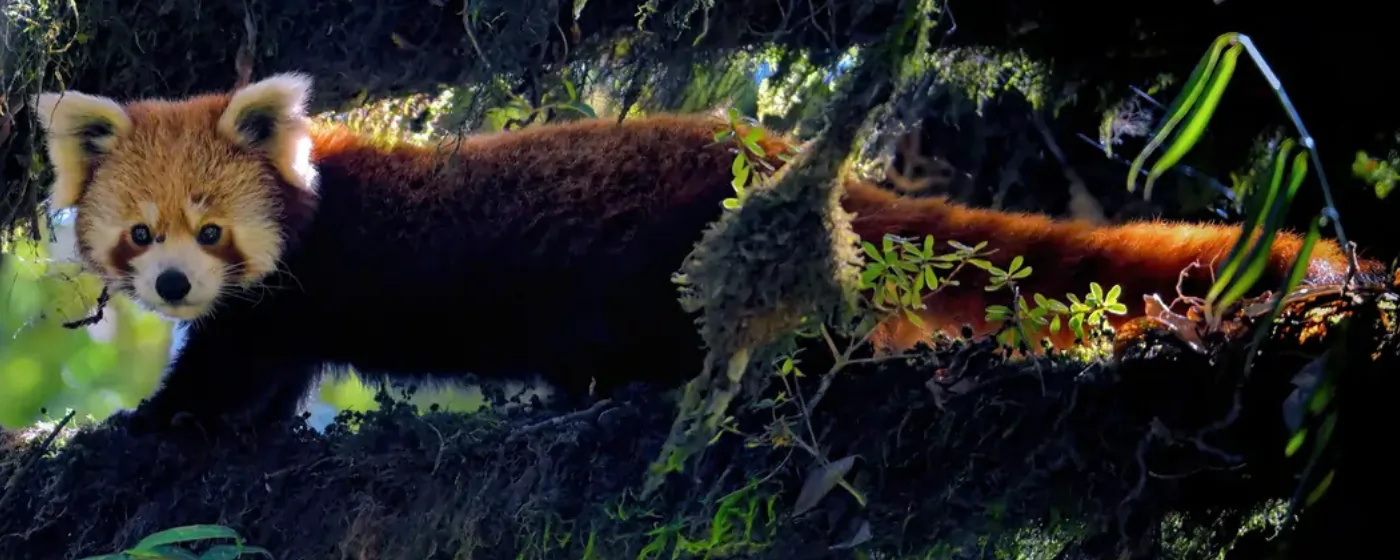
Red Panda Thumbnail

Red Panda Outpost – Homestay Retreat Near Singalila National Park

Welcome to Red Panda Outpost - a quiet refuge in the Eastern Himalayas

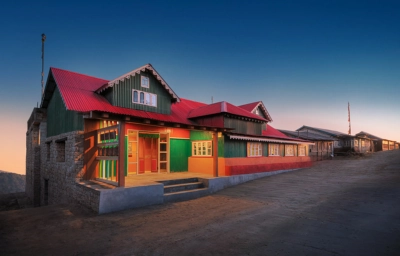
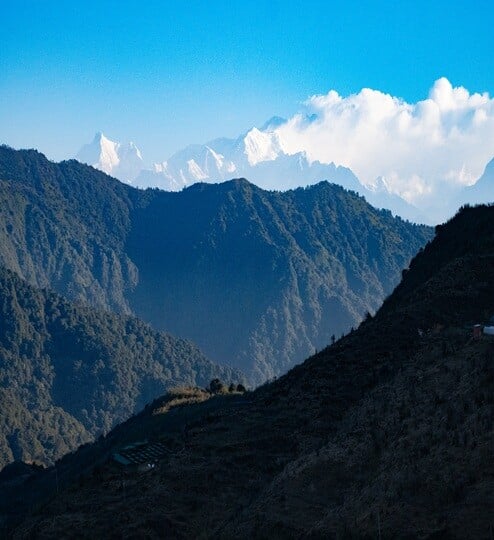
Perched on the misty ridges of the village of Jaubari, near the Singalila National Park, Red Panda Outpost is a quiet refuge for travelers drawn to the wild. Nestled on the India-Nepal border, this remote retreat carries the legacy of the land. Once a simple wooden teahouse, it was run by a local family whose roots trace back to Gorkha soldiers. Inspired by the many army outposts that dot India's borderlands, our homestay is a sanctuary offering warmth, comfort, and a deep connection to the rhythms of the mountains.

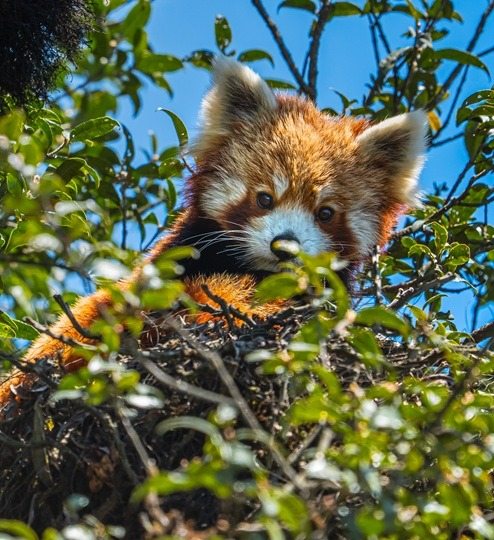
This landscape is home to one of the Eastern Himalayas’ most elusive and enchanting creatures - the red panda. Much like the army outposts that stand as quiet sentinels along the frontier, these gentle animals make their homes in the high-altitude forests, moving discreetly among the rhododendrons and oaks. It is in their honor that we have named our homestay Red Panda Outpost, a place that serves as a gateway to experiencing their world up close.

An outpost is more than just a resting place—it is a sanctuary in the wilderness, a beacon for those navigating remote terrain. Soldiers rely on outposts for warmth, sustenance, and shared stories in the face of vast and harsh landscapes. In that same spirit, Red Panda Outpost is a haven for explorers seeking the wild beauty of Singalila. It is for those who cherish adventure, yet long for a quiet refuge at the day’s end. For those who wish to wake before dawn to trek through mist-laden forests in search of a flash of red fur in the treetops. For those who find meaning in the slow rhythm of the mountains, in simple comforts—a hot meal, a warm bed, and the company of fellow travelers. Here, you are not just passing through; you become part of a timeless story, woven into the fabric of this land.

Red Panda Outpost - Mountain views and accommodation

Accommodation and Food

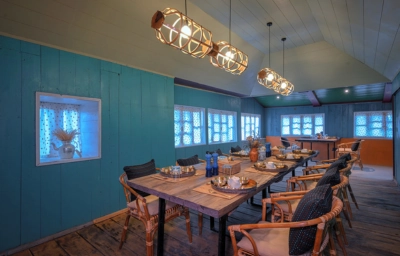
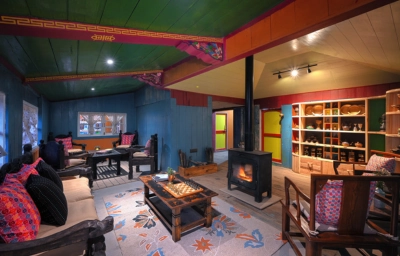
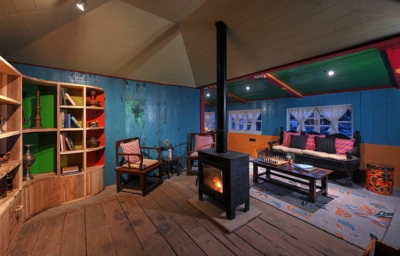
With just Six thoughtfully designed rooms, each with an attached bathroom, Red Panda Outpost remains true to its origins—modest yet inviting, intimate yet unpretentious. The heart of this space is the old wooden house, where guests gather every evening around a bukhari-fire over wholesome, home-cooked meals, sharing stories while sipping on local millet liquor - tongba, as the wind carries echoes of distant trails..Read More about Accommodation at Red Panda Outpost

Red Panda Outpost accommodation and dining facilities

About Singalila National Park & Tinchuley Forest

Singalila National park is one of the most exotic Himalayan forests located in the Darjeeling District in the West Bengal, Sikkim and Nepal tri-junction. Located on the Singalila ridge at an altitude ranging between 7,000ft to 12,000 (2500-3650m) ft above sea level, these oak, bamboo and rhododendron forests are well known for the trekking route to Sandakphu, the highest point in West Bengal along with the second highest peak of Phalut..Read More about Singalila National Park

Red Panda Outpost
Red Panda Outpost
Red Panda Outpost

About the Red Panda

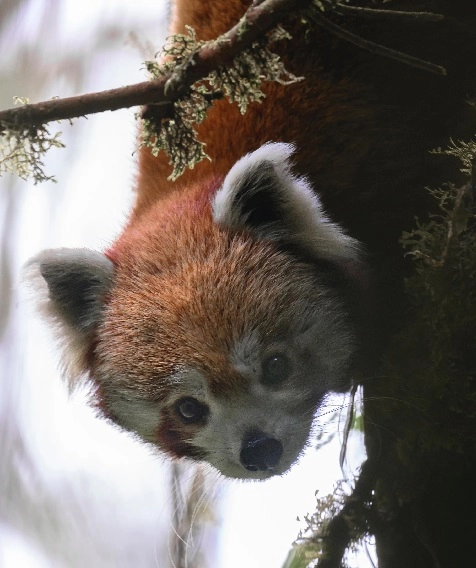
The red panda (Ailurus fulgens fulgens), often called the fire fox, is one of the most enchanting creatures of the Eastern Himalayas, found across India, Nepal, Myanmar and Bhutan. With its fiery red coat, masked face, and bushy ringed tail, it looks like a cute character straight out of a storybook.

Solitary and shy, red pandas spend most of their time high up in the canopy, moving gracefully through the branches. They are mostly crepuscular, meaning they are most active during the early morning and late afternoon. Despite their classification as carnivores, they are primarily bamboo eaters, though they also snack on Rhododendron flowers, fruits, berries, mushrooms, and even small insects.

The red panda is the sole survivor of the Ailurus family (derived from the Greek word meaning “cat”). When threatened, they stand on their hind legs to appear larger — a charming yet fierce display from such a small creature. In the dense forests of Singalila National Park, they find refuge amidst the challenges brought about by habitat loss due to human activities and fragmentation, predators like leopards and feral dogs, disease, poaching and climate change.

Once found abundantly across Eurasia, Singalila National Park and Tinchule Forest are one of the last strongholds of this endangered species, offering a rare chance to glimpse these elusive creatures in the wild. This arboreal creature thrives only in pristine, high-altitude forests. With careful tracking and patient observation, catching even a fleeting glimpse of a red panda in the wild is a once-in-a-lifetime encounter, a reminder of how precious, resilient yet fragile this species truly is.

Meet The Team

Yashojeet Bundela - undefined

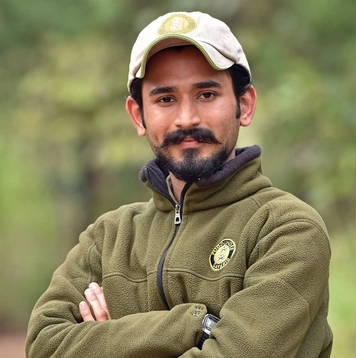
Yashojeet Bundela

Yashojeet is a graduate from the first batch of PRONAT (Professional Naturalist Training Program) held in 2018. Over the years, he has worked in several national parks and tiger reserves across India. As a part of the Pugdundee team, he has travelled to many wildlife destinations throughout the country. Currently, he is posted as a manager cum naturalist at Red Panda Outpost, Jaubari, Nepal. As a nature lover, Yashojeet is deeply curious and enthusiastic about learning more about mountain wildlife, especially the red panda, as well as birds.

Sagar - undefined

Sagar

Sagar BK is an experienced naturalist from Nepal, and his village is adjoining the renowned Chitwan National Park. With a strong background in wildlife conservation and nature interpretation, he brings in-depth knowledge of flora and fauna, enriching guest experiences through insightful and engaging guidance. Sagar is an experienced birding guide and even when not guiding guests enjoys birding to the fullest.

Sandeep Tamang - undefined

Sandeep Tamang

Sandeep was born and brought up in Maneybhanjyang, Darjeeling—popularly known as the Land of Landovers and the gateway to Singalila National Park and Sandakphu. He is a highly skilled chef with expertise in a wide range of cuisines including traditional Nepali food. Sandeep began his culinary career in 2008 and has worked in several places in India.In April 2025, he joined Pugdundee Safaris and was posted at Red Panda Outpost, Jaubari, located very close to his birthplace.

Welcome to Red Panda Outpost – a quiet refuge in the Eastern HimalayasBook Now

FREQUENTLY ASKED QUESTION

Singalila National Park is beautiful all year round, and barring the monsoons when the park is shut, every season offers its own delights.

The autumn months of October and November promise clear skies, pleasant weather with average temperatures between 10-15°C, and stunning views of the snow-clad Eastern Himalayas. Singalila is home to over 600 species of orchids, most of which can be found blooming amidst fall colours.

December to February is the peak winter season where temperatures can dip below 0°C, as snowfall transforms the park into a surreal wonderland.January to March is the mating season for Red Pandas.

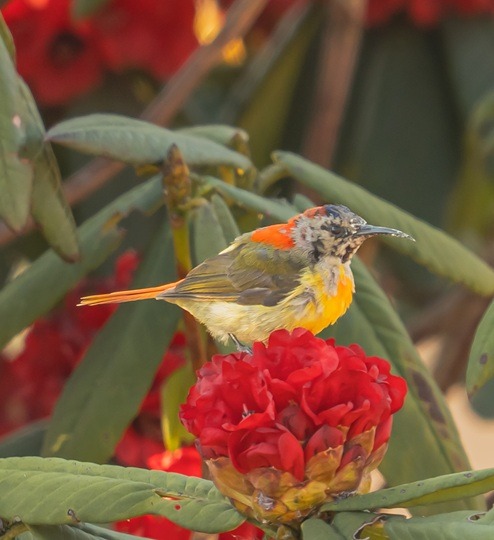
From March to May, spring turns the forest into a colourful canvas with rhododendron, magnolia and azalea flowers in full bloom. This is an excellent time to observe the otherwise solitary Red Panda with its cubs. Spring turns Singalila into a paradise for trekkers and birdwatchers, with temperatures hovering between 10-15°C.

During the monsoon from June to September, our homestay and the park remain shut due to heavy rainfall in this hilly region.

Observing the Red Panda in the wild is a once-in-a-lifetime experience. We limit our viewing time up to 30 minutes for a specific sighting. Guests can observe these elusive creatures from a safe distance, so as not to stress them. People must refrain from climbing trees, sudden movements or going very close to the animals to keep the experience enjoyable and ethical. It is also important to note that we do not allow tape lure for birds.

Singalila and the surrounding hills offer a variety of activities for nature lovers, wildlife enthusiasts and trekkers. Apart from embarking on an expedition to track the elusive red panda, here are some immersive and engaging things to do when you spend a few days in the region.

  • Birdwatching
  • Trekking and Nature Walks
  • Sunrise Views of the Eastern Himalayas
  • Stargazing

A visit to Singalila National Park can be clubbed with one or more of the following towns for an adventure that offers a glimpse into the cultural and natural beauty of the region.

Darjeeling, India – Known as the "Queen of the Hills," Darjeeling is a charming colonial-era town renowned globally for its tea gardens, breathtaking views of Kanchenjunga - the third highest peak in the world, and the UNESCO-listed Darjeeling Himalayan Railway (Toy Train). Visitors can explore attractions like Tiger Hill for sunrise, the lush tea estates growing Darjeeling tea (the first Indian product to receive a GI tag) and the vibrant Mall Road.

The Padmaja Naidu Himalayan Zoological Park in Darjeeling stands as a beacon of conservation in the Eastern Himalayas. It is renowned for successfully breeding and reintroducing endangered species like the red panda into the wild, with several females giving birth post-release, and houses one of Southeast Asia's most successful snow leopard breeding initiatives. Visitors to the zoo can gain insight into the meticulous work involved in wildlife conservation, making it a must-visit destination for those passionate about nature and biodiversity.

Mirik, India – A quaint hill station surrounded by tea gardens, orange orchards, and dense pine forests, Mirik is a two hour drive from Singalila National Park. Visitors can take a peaceful boat ride on Sumendu Lake with the Himalayas in the backdrop. Bokar Monastery and Thurbo Tea Estate, one of the largest tea estates in the area, offer glimpses into the region’s serene charm.

Siliguri, India – Often referred to as the gateway to northern Bengal and Northeast India, Siliguri is a bustling town that mixes modernity and tradition. The city is a regional hub for shopping, local food, music and wildlife experiences like the Mahananda Wildlife Sanctuary.

Ilam, Nepal – The tea capital of Nepal, Ilam is a picturesque hill town known for its rolling tea gardens, misty hills, and serene monasteries. A visit here offers an insight into Nepal’s thriving tea industry and its cultural diversity, along with opportunities for hiking, birdwatching, and experiencing the warm hospitality of local communities.

For Indian travelers and inbound travelers, the preferred port of arrival and departure is Bagdogra airport (IXB) in Siliguri, West Bengal. The drive to Singalila National Park can take up to 5 hours, with the last stretch of 1-1.5 hours being covered in 4x4 Boleros.

International guests traveling from within Nepal have the option to arrive in and depart from Bhadrapur airport (BDP), also known as Chandragadhi airport. The drive to Singalila National Park can take approximately 3.5 hours. Visitors will need to go through immigration at the Kakarbhitta border in Nepal and will require a valid multiple entry tourist visa for Nepal and a multiple entry tourist visa for India.